
Apr 03, 2026
Matte nail polish has become an intriguing choice for individuals seeking a different texture and finish in their manicure. Matte formulas provide a soft, non-reflective surface that emphasizes the natural shape of nails and highlights subtle design details. The production process for matte nail polish starts with high-quality pigments, resins, and additives that create the characteristic flat finish. Factories carefully measure and blend each component to ensure consistent color and texture, preventing uneven surfaces or streaks during application.
Manufacturers often experiment with various chemical compositions to achieve a smooth matte effect while maintaining ease of use. Once the polish mixture reaches the desired consistency, it undergoes filtration and quality checks to remove any impurities. Filling machines then deposit the polish into individual bottles, where precision nozzles ensure accurate volume and minimize waste. Labels and packaging follow, often designed to highlight the texture and color range, making it visually appealing on store shelves or display units.
Using matte nail polish requires some adjustments compared to glossy options. Many users begin with a clean, dry nail surface, sometimes applying a base coat for smoother application and extended wear. The polish is applied in thin layers, allowing each coat to dry before the next one is added. Unlike traditional polishes, matte formulas tend to dry faster due to the texture-enhancing additives, which can help reduce smudges or fingerprints. Users often notice a subtle difference in how the color appears under various lighting conditions, as the matte finish absorbs light rather than reflecting it.
Matte nail polish also opens opportunities for creative nail designs. Textured finishes can be combined with glossy accents, metallic strips, or embossed patterns to create visually striking effects. Nail technicians frequently use matte topcoats over colored bases to transform a standard manicure into a unique, velvety surface. Some brands produce dual-effect polishes that allow a glossy or matte result depending on how they are applied or layered, providing versatility for users seeking different styles.
In production facilities, quality control is a continuous process. Workers inspect samples from every batch for consistency, checking for smoothness, pigment distribution, and drying properties. Adjustments are made if the polish appears too thick or too shiny, ensuring that the final product meets the expected matte standard. Factories may also conduct stress tests, simulating typical storage and usage conditions to confirm stability and performance before shipment.
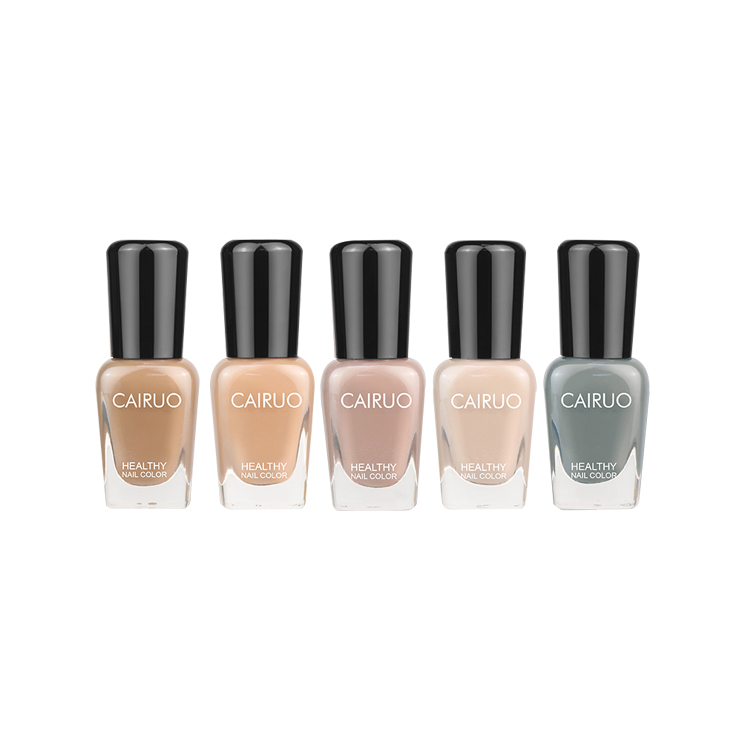
The rise of matte nail polish has encouraged manufacturers to expand color ranges, offering both muted tones and bright shades. Formulating vibrant colors in a matte finish can be challenging because the absence of gloss reduces color intensity. Chemists often balance pigment concentration with filler additives to retain vividness while keeping the matte effect intact. This attention to detail ensures that users receive a product that performs consistently, from application to dry finish.
In daily use, matte nail polish appeals to those who appreciate a modern, understated aesthetic. Unlike traditional glossy polishes that emphasize shine, matte finishes create a soft visual impression, enhancing the tactile experience of nails. This effect can be particularly useful for intricate nail art, where subtle contrasts between matte and gloss surfaces highlight designs without overwhelming them. Users also often layer matte polishes over pre-colored bases to experiment with new looks, as the matte texture alters how the color is perceived.
Your email address will not be published. Required fields are marked *
Jul 17,2026



Copyright © Dongyang City East Cosmetics Co., Ltd. All Rights Reserved.

Nail Polish Factory

 English
 中文简体
中文简体 عربى
عربى

 PREV:
PREV: