
Jul 17, 2026
Matte nail polish provides a non-shiny finish that many salons and retailers include in their product ranges. Procurement teams source this type for its popularity in professional settings and retail displays. Suppliers focus on consistent quality and batch uniformity to meet ongoing orders from distributors and beauty businesses.
Matte nail polish relies on specific additives to reduce surface shine. Common approaches include silica-based matting agents that scatter light and create the desired effect. Standard base components such as film formers, solvents, and pigments form the foundation, with matting ingredients added for the non-gloss result.
These elements allow suppliers to produce shades that apply smoothly and wear as expected in salon environments.
Contract manufacturers handle bulk production of matte nail polish for private label and wholesale clients. Facilities produce base formulas then customize colors and finishes according to buyer specifications. Many operations support order quantities that work for distributors scaling their inventory.
Procurement teams evaluate suppliers on batch consistency, color matching accuracy, and packaging options suitable for bulk handling. Lead times and production capacity influence decisions when planning larger orders for retail chains or salon networks.
Salons and beauty supply distributors carry matte nail polish to offer clients a range of looks beyond traditional glossy options. The finish pairs well with different nail shapes and lengths common in professional services. Bulk buyers often request sets that coordinate with existing glossy and gel lines for complete displays.
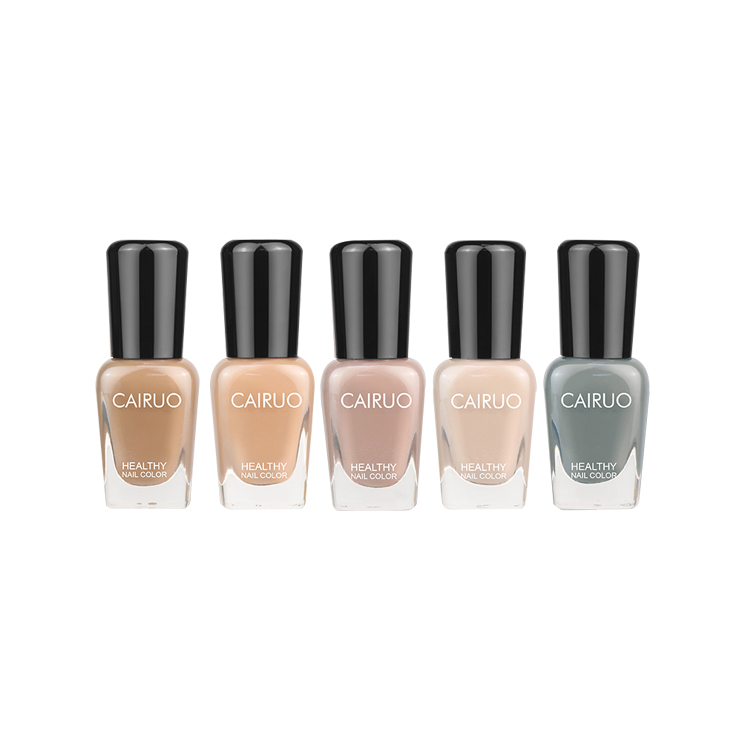
Wholesale orders frequently include neutral tones alongside bolder colors to match client preferences throughout the year. The product integrates into manicure stations where technicians need reliable performance during multiple services per day.
Suppliers provide matte nail polish in bulk containers or pre-filled bottles depending on buyer needs. Options include standard bottle sizes for retail shelves and larger volumes for salons that decant into service stations. Packaging choices affect shipping efficiency and storage requirements in distribution centers.
Buyers review closure types and bottle materials for compatibility with their filling or display systems. Clear or tinted glass and plastic formats help show the color accurately during quality checks and merchandising.
Procurement teams compare times, order volumes, and formulation stability across potential sources. Consistency in viscosity and drying time matters for professional application. Color accuracy between batches supports brand standards in private label programs.
Many buyers request samples for testing in their own facilities before committing to larger orders. This step confirms the product meets requirements for shelf life and performance under typical storage and use conditions.
These factors help businesses plan inventory without excess stock while maintaining variety for their customers.
Matte nail polish remains a steady part of beauty supply procurement. Its position in the broader nail category makes it a practical addition for distributors and salon operators looking to expand finish options. Suppliers continue to support demand through flexible production and reliable delivery options.
Your email address will not be published. Required fields are marked *
Jul 17,2026



Copyright © Dongyang City East Cosmetics Co., Ltd. All Rights Reserved.

Nail Polish Factory

 English
 中文简体
中文简体 عربى
عربى

 PREV:
PREV: