
Jul 10, 2026
The professional nail industry has changed significantly over the past decade, and Gel Polish has become a widely adopted product category in salons, beauty brands, and private-label manufacturing. Compared with traditional air-drying nail polish, gel polish is formulated to cure under UV or LED lamps, creating a coating that is designed to remain stable during everyday wear.
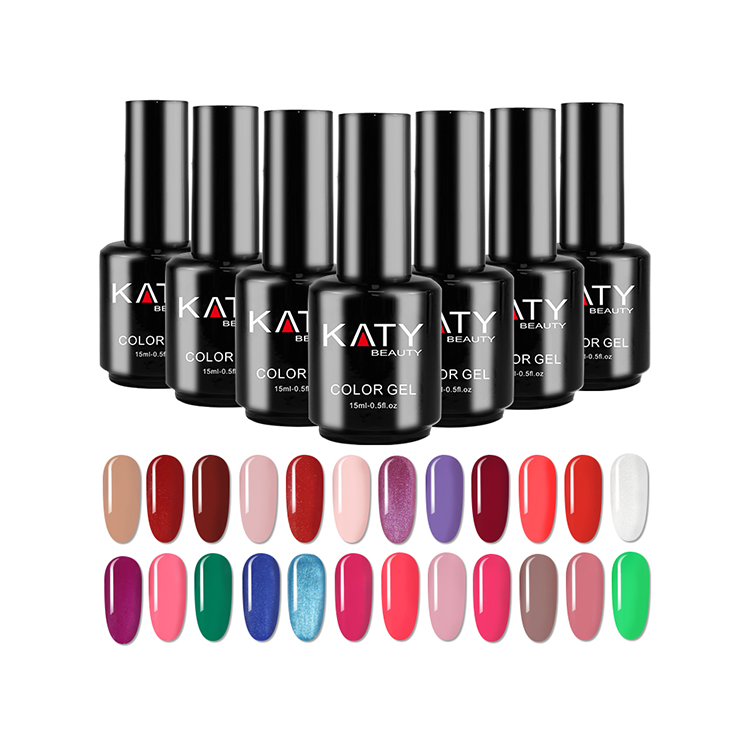
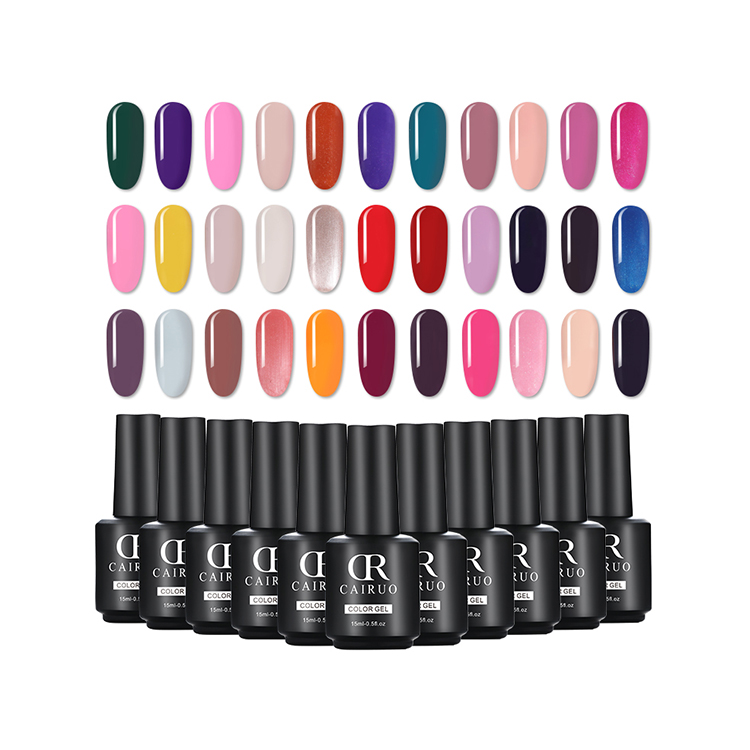
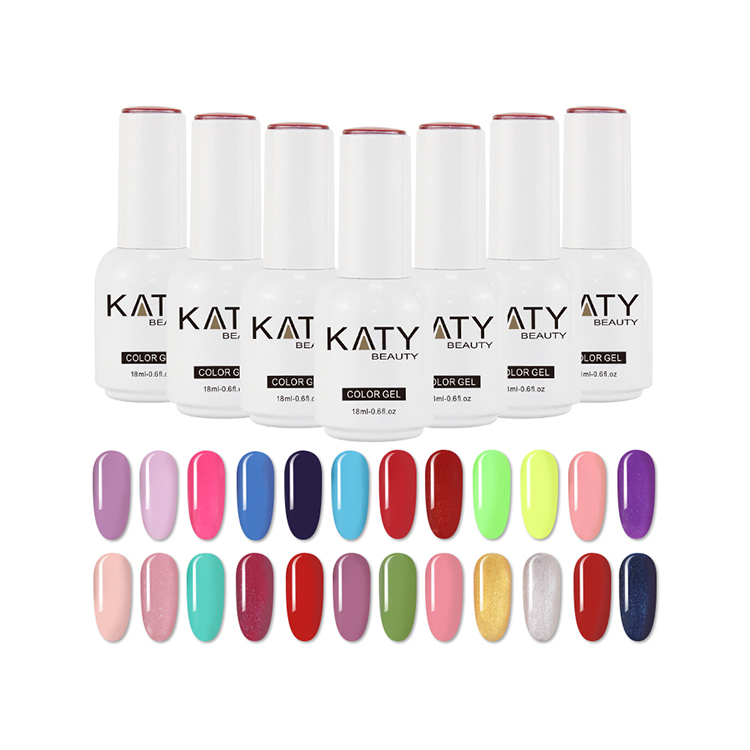
For distributors, wholesalers, and beauty brands, gel polish is no longer a single product. It has developed into a complete product line covering color collections, specialty finishes, seasonal launches, and customized packaging for different markets.
Unlike conventional nail polish, Gel Polish contains oligomers, monomers, pigments, and photoinitiators that react when exposed to UV or LED light. This curing process transforms the liquid coating into a solid film on the nail surface.
Because curing depends on light rather than air, manufacturers pay close attention to formula compatibility with curing lamps, color stability, and application consistency.
Common product categories include:
Each category serves different salon techniques while allowing brands to build complete product portfolios.
Color is often the feature customers notice, but developing a commercial Gel Polish collection involves much more than choosing attractive shades.
Manufacturers typically evaluate several factors during product development.
| Development Focus | Purpose |
| Pigment dispersion | Supports even color appearance |
| Formula viscosity | Helps achieve smooth application |
| Color consistency | Reduces variation between production batches |
| Finish selection | Creates glossy, matte, shimmer, or magnetic effects |
Maintaining consistency across production batches is particularly important for brands offering large color libraries, as salons expect repeat orders to match previous collections.
The global beauty industry includes established brands, regional distributors, salon chains, and emerging private-label businesses. As a result, many Gel Polish manufacturers provide flexible production services rather than supplying only standard products.
These services may include:
This flexibility allows businesses to introduce products that reflect their own branding while relying on established manufacturing processes.
Packaging is more than a container for gel polish. It affects product identification, shelf presentation, and inventory management.
Dark-colored bottles are commonly used because they help reduce accidental exposure to curing light before application. Labels often display color numbers, batch information, and finish descriptions, making it easier for distributors and salons to organize extensive product ranges.
For brands with hundreds of available shades, clear packaging systems can simplify product selection during both wholesale distribution and salon use.
As professional nail services continue to diversify, Gel Polish remains a central product for manufacturers, distributors, and beauty brands. Its combination of varied finishes, broad color options, and compatibility with professional curing systems has made it a standard offering across commercial nail product lines.
Rather than focusing on a single color or trend, today's suppliers increasingly develop complete collections with consistent formulas, organized packaging, and flexible manufacturing options. This approach helps support long-term cooperation across the beauty supply chain while giving businesses the ability to respond efficiently to changing market preferences.
Your email address will not be published. Required fields are marked *
Jun 26,2026



Copyright © Dongyang City East Cosmetics Co., Ltd. All Rights Reserved.

Nail Polish Factory

 English
 中文简体
中文简体 عربى
عربى

 PREV:
PREV: