
Apr 10, 2026
Nail polish is manufactured by a variety of companies that combine chemical expertise, precision machinery, and creative design. These companies focus on producing shades that appeal to a wide range of consumers, while maintaining consistent quality across batches. The process begins with carefully selected pigments, solvents, and resins, which are mixed to form the liquid base of the polish. This base ensures smooth application, consistent color, and controlled drying time. Pigments are chosen for vibrancy and stability, while resins provide adhesion to nails, giving nail polish its characteristic shine and durability.
Companies invest in both automated and manual processes to ensure that every batch of nail polish meets quality standards. Mixing tanks are designed to keep pigments evenly suspended, preventing settling and clumping. Quality control teams frequently check color consistency, viscosity, and flow properties, ensuring that the final product meets design specifications. Packaging, including bottles and brushes, is also carefully planned to enhance user experience and ensure precision application.
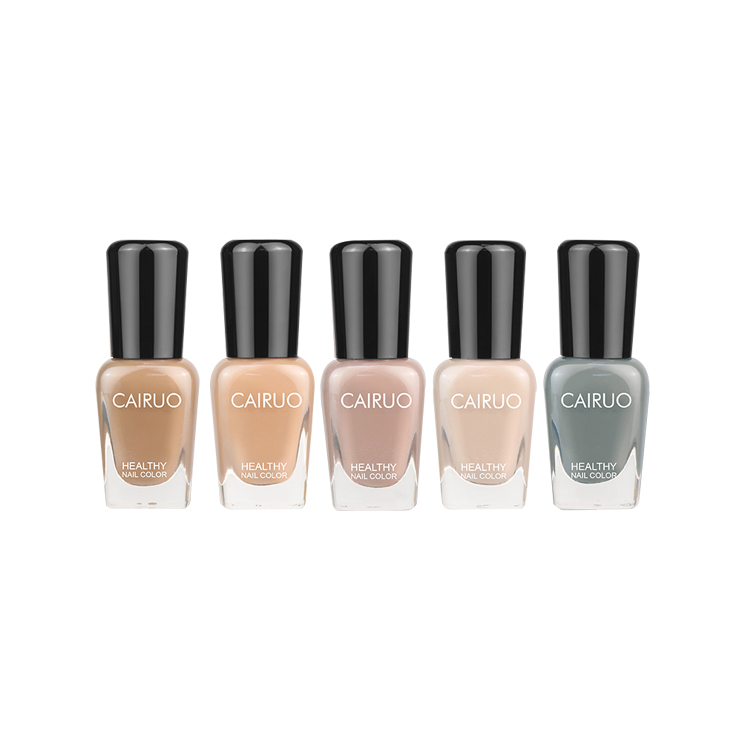
Once the base formula is prepared, it is filled into bottles designed for convenience and style. Bottles range from classic round shapes to innovative geometric designs, each with its own cap and brush mechanism. Brushes are selected for bristle length, density, and flexibility to provide smooth coverage in one or two strokes. Caps are designed for comfortable grip and easy rotation, allowing users to control the application process.
Bottle design considers the preservation of polish quality. Air-tight caps prevent excessive evaporation of solvents, which could alter consistency. Bottles are also tested for durability to prevent breakage during handling or shipping. Companies may offer sets or collections in coordinated shades, emphasizing both convenience and style. The final product is a balance of science and design, ensuring that consumers receive a nail polish that is enjoyable to use and visually appealing.
The production process of nail polish involves several careful steps to maintain consistency and quality. After pigments, solvents, and resins are blended, the mixture is milled or homogenized to achieve smoothness and uniformity. Additives may be included to adjust drying time, gloss, or adhesion. Once the formula passes quality checks, it is transferred to filling lines, where bottles are cleaned, filled, and capped automatically. Labeling machines apply branding and shade information, ensuring each product is easily identifiable.
Quality control extends beyond visual inspection. Viscosity tests ensure the polish flows correctly, while drying tests confirm that the finish will set consistently under normal conditions. Color comparisons verify that shades match design specifications and remain uniform across multiple bottles. These systematic checks allow manufacturers to provide consumers with reliable products that meet expectations for appearance and performance. The integration of careful production methods with consistent oversight results in nail polish that is both functional and attractive.
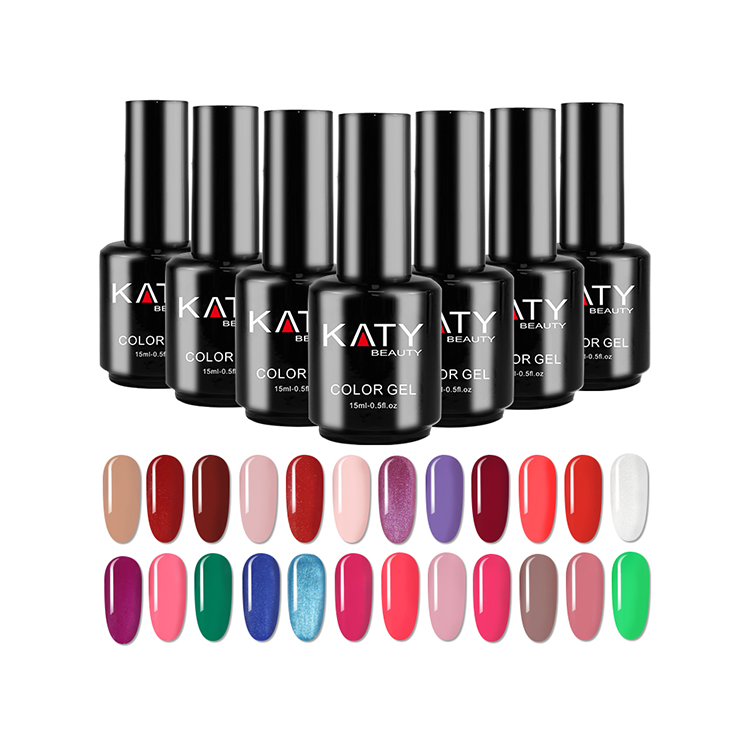
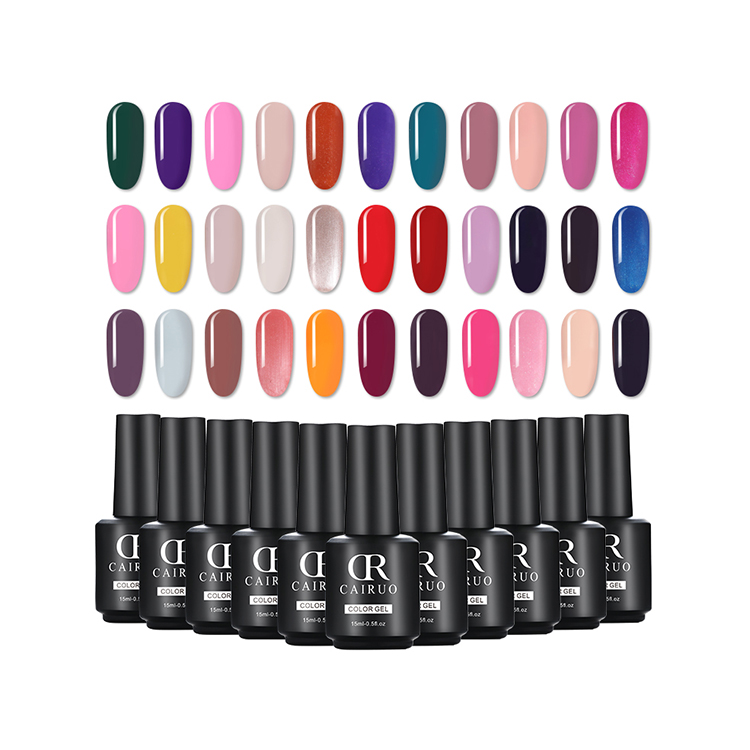
Nail polish serves as both a cosmetic product and a form of personal expression. Consumers use it to complement outfits, highlight individual style, or create artistic designs on nails. The variety of shades, finishes, and effects—ranging from glossy to matte, shimmer to metallic—provides a canvas for creativity. Easy-to-use brushes and smooth formulas make application accessible for both professional technicians and home users.
Beyond aesthetics, nail polish reflects the combination of art and chemistry inherent in its production. The careful selection of pigments, resins, and additives ensures that polish not only looks attractive but also adheres reliably to nails and maintains its appearance during wear. Packaging, color presentation, and ease of application all contribute to consumer satisfaction.
 PREV:
PREV: Your email address will not be published. Required fields are marked *
Jul 17,2026



Copyright © Dongyang City East Cosmetics Co., Ltd. All Rights Reserved.

Nail Polish Factory

 English
 中文简体
中文简体 عربى
عربى
