Mar 25, 2026
Nail Polish has long served as a small yet influential element in personal style. Applied in salons and at home alike, this cosmetic product allows individuals to express mood, coordinate outfits, and explore creative design. Its presence spans casual settings, formal events, and seasonal celebrations, making it a consistent feature in beauty routines across cultures.
The composition of Nail Polish generally includes pigments, film-forming agents, plasticizers, and solvents. When brushed onto the nail surface, the liquid formula spreads evenly before gradually drying into a solid coating. The transformation from fluid to glossy finish creates a smooth, colorful layer that enhances the natural shape of the nail. Variations in formula influence texture, shine, and drying time.
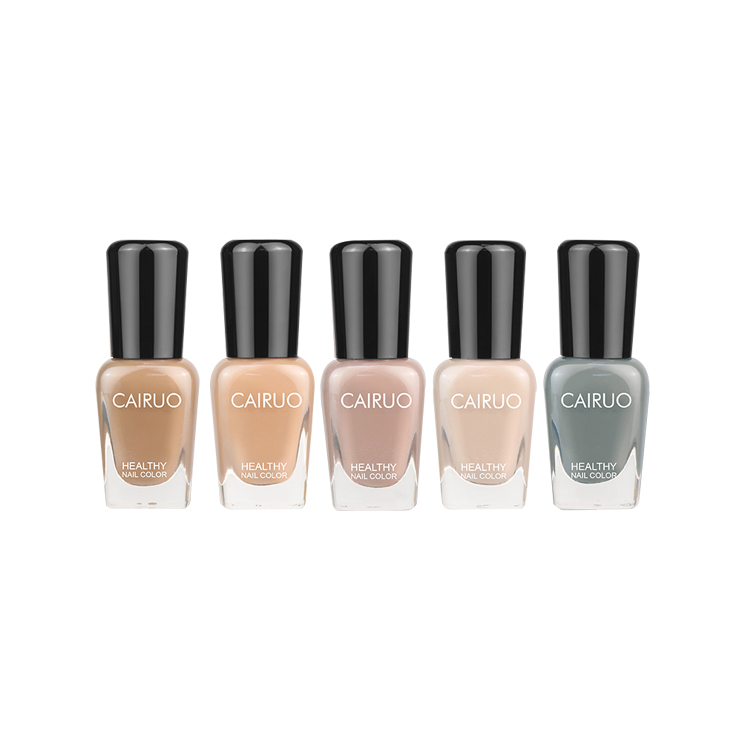
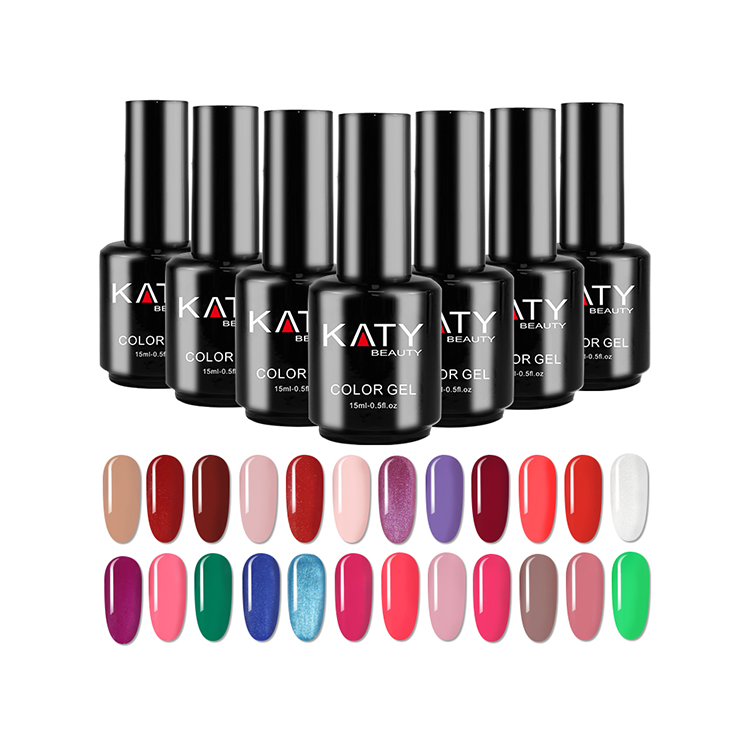
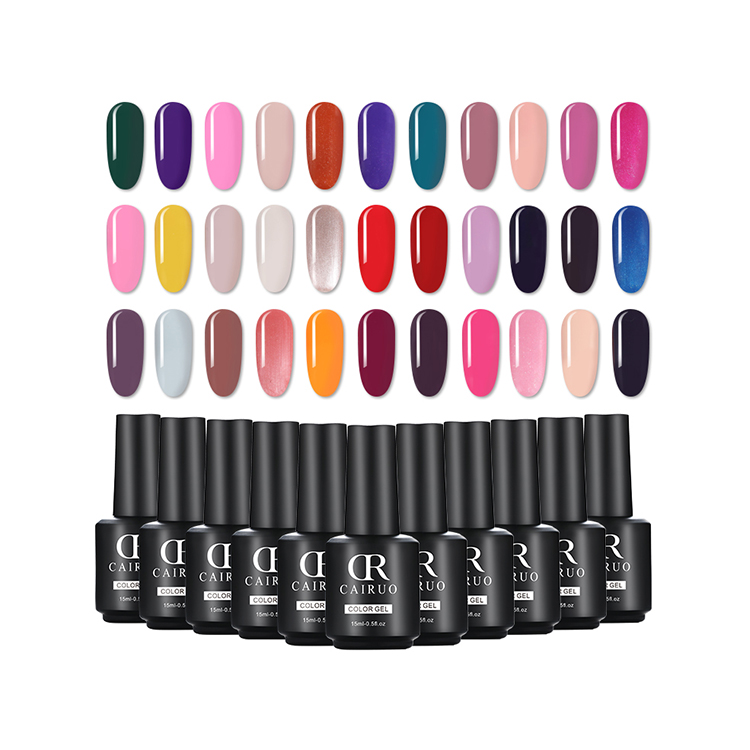
Color diversity represents one of the defining characteristics of Nail Polish. Neutral tones such as beige and soft pink provide understated elegance suitable for professional environments. Bold shades like red, cobalt, or emerald add dramatic contrast during social events. Seasonal palettes often introduce pastel tones in spring and deeper hues in autumn. The range of options allows users to align their manicure choices with clothing styles or personal preferences.
Beyond color, finish types contribute to Nail Polish variety. Gloss finishes deliver reflective shine, while matte versions create a velvety surface. Metallic formulas incorporate fine shimmer particles that catch light subtly. Some products include textured effects that add dimension to the nail plate. These variations expand creative possibilities without altering the fundamental application process.
Application techniques influence final appearance. A base layer may be applied to create a smooth foundation, followed by one or two color coats. Even brush strokes help maintain uniform coverage. Brush design plays a significant role in ease of application. Wider brushes can cover the nail surface quickly, while narrower ones provide control for smaller nail shapes.
Manufacturing processes focus on pigment dispersion and consistency. Mixing equipment blends color particles evenly into the lacquer base to prevent streaking. Bottling lines ensure accurate fill levels and secure sealing. Clear glass containers allow consumers to view shade intensity before purchase. Caps are often ergonomically shaped to provide comfortable grip during application.
Creative expression remains a central aspect of Nail Polish use. Nail art techniques, including striping, dotting, and layering, rely on varied shades and finishes. Social media platforms often showcase intricate manicure designs that inspire new combinations. The accessibility of Nail Polish allows individuals to explore design ideas without specialized equipment.
Cultural influences also shape Nail Polish trends. Fashion shows, celebrity appearances, and seasonal events can draw attention to particular color themes. While trends evolve, classic shades maintain consistent popularity due to their versatility. This balance between innovation and familiarity supports steady consumer interest.
Texture and adhesion are key performance considerations during production. Formulas are tested for smooth flow and uniform drying. Bottle neck design is engineered to control excess lacquer on the brush stem, helping manage application. These small design choices contribute to user satisfaction.
Nail Polish continues to occupy a meaningful space in personal grooming routines. Its combination of color diversity, varied finishes, and accessible application techniques allows individuals to adapt their look easily. Ranging between understated tones and expressive shades, Nail Polish remains a versatile cosmetic product integrated into daily fashion choices.
 PREV:
PREV: Your email address will not be published. Required fields are marked *
Jul 17,2026



Copyright © Dongyang City East Cosmetics Co., Ltd. All Rights Reserved.

Nail Polish Factory

 English
 中文简体
中文简体 عربى
عربى
