
Apr 17, 2026
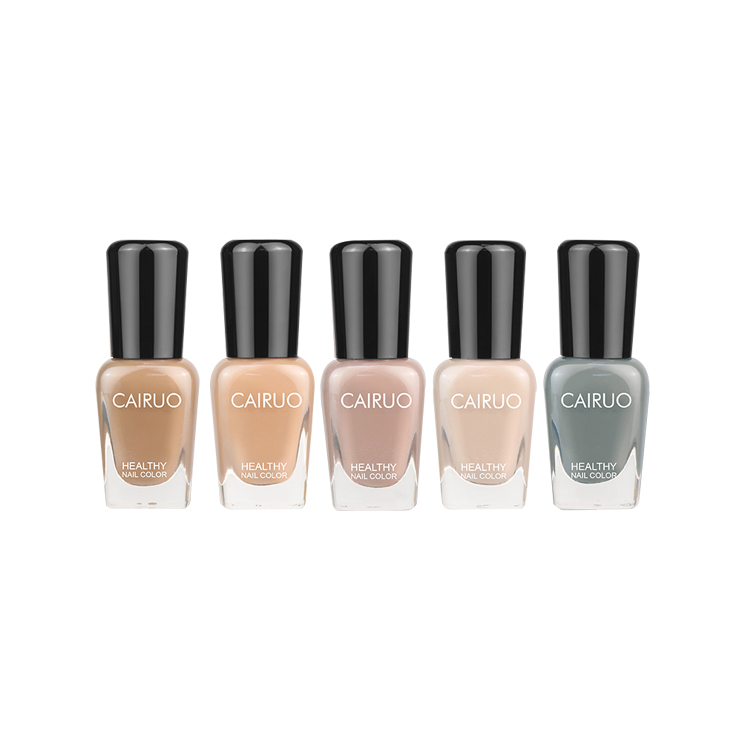
Gel polish serves as a coating applied to nails in salons and at home. The product starts in a bottle as a thick liquid that spreads evenly when brushed on. Once applied, it requires exposure to UV or LED light to change from liquid to a solid layer. This process creates a smooth surface with added shine. Users apply gel polish in thin layers to build coverage without excessive thickness.
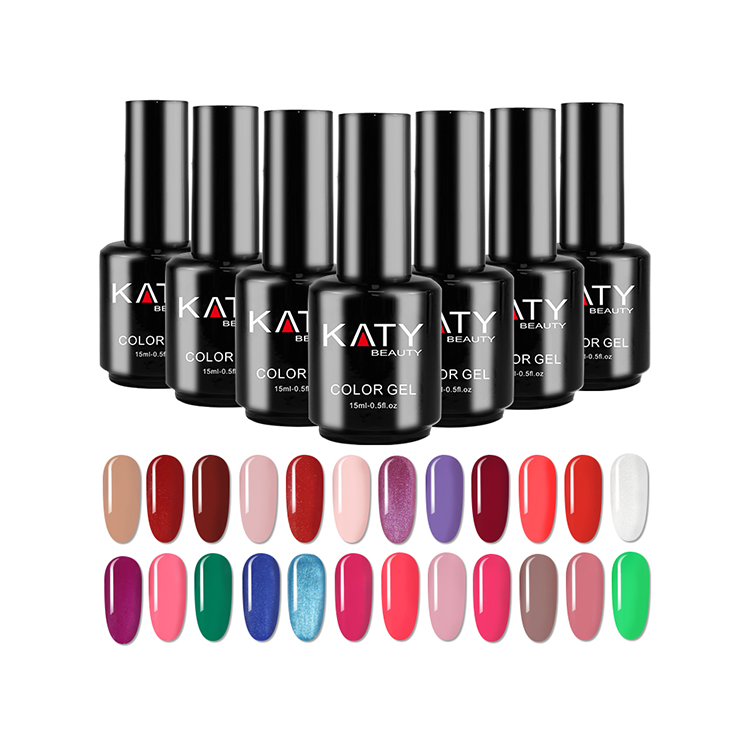
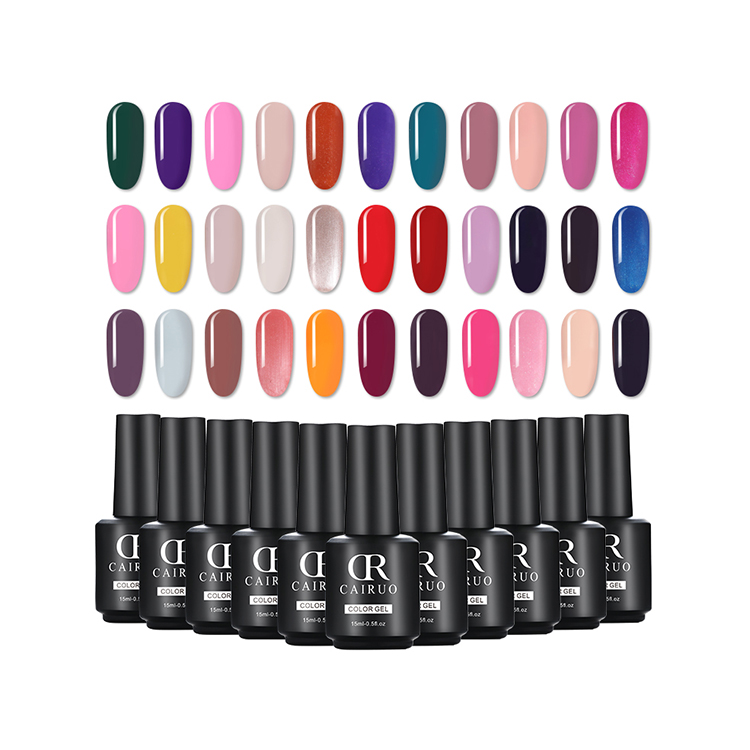
The formula allows for color variety through added pigments. Nail technicians and individuals use gel polish for its application characteristics during manicure sessions. The bottle design features a brush attached to the cap for direct use. Gel polish fits into routines where a cured finish is part of the procedure. Its consistency supports even distribution across the nail surface.
Companies that manufacture gel polish operate facilities equipped for chemical formulation and packaging. These organizations handle the combination of various raw materials in controlled environments. Production teams focus on the accurate weighing of components before blending. Staff members operate mixing equipment to achieve uniform distribution of elements within the batch. The facilities include areas for dispersion of pigments to prevent clumping.
Companies produce gel polish in different shades by adjusting the pigment amounts during the process. Packaging lines fill the prepared formula into small bottles and attach brushes and caps. Labels are added to identify the shade and instructions. The manufacturing setup allows for batches of varying sizes depending on demand. Technicians monitor the temperature and speed during mixing to maintain the desired properties.
The production process for gel polish begins with the planning of the formula based on required characteristics. Raw materials including oligomers, monomers, and photoinitiators are weighed with precision in the facility. Workers add these ingredients into large mixing tanks equipped for high-shear blending. The mixture undergoes stirring at controlled speeds to combine the components uniformly. Pigments are introduced next and dispersed using equipment such as sand mills to reduce particle size for even color.
Once mixed, the batch goes through testing for viscosity, color match, and curing behavior under light. Approved mixtures move to filling stations where automated lines pour the gel polish into bottles. Caps with brushes are attached, and the bottles receive labels. Each step includes checks to support consistency across production runs. The sequence ensures that the gel polish maintains its liquid state until application and light exposure.
Gel polish functions through a series of steps during a manicure. The user or technician prepares the nail surface and applies a thin layer of the product with the brush. The gel polish spreads smoothly due to its formulated viscosity. After application, the nails are placed under a UV or LED lamp for a set time. During this exposure, the photoinitiators in the formula activate and trigger the linking of monomers and oligomers into a solid polymer network. This changes the coating from a pliable liquid to a firm layer.
The air stream or brush movement helps in even distribution before curing. The process allows the gel polish to form a coating that holds its shape and color. Users direct the application to cover the nail area as part of standard manicure routines. The light curing step completes the transformation for each layer. This method supports the creation of a finished look through repeated application and exposure cycles.
Your email address will not be published. Required fields are marked *
Jul 17,2026



Copyright © Dongyang City East Cosmetics Co., Ltd. All Rights Reserved.

Nail Polish Factory

 English
 中文简体
中文简体 عربى
عربى

 PREV:
PREV: