
Jun 12, 2026
Water base nail polish has gained attention among individuals interested in nail grooming and appearance. This type of polish uses water as a primary component in its formula, setting it apart from traditional solvent-based options. Many people incorporate it into their regular nail care practices for its distinctive properties during application and wear.
Water base nail polish consists of ingredients that allow it to form a film on the nail surface through water evaporation. The formula typically includes resins, pigments, and other compounds that create color and coverage. Unlike some conventional polishes, it relies on water to carry the color particles, resulting in a product that behaves differently during use.
The texture tends to be lighter, and the drying process involves the evaporation of water content. This leads to a finish that users often describe as smooth once fully set. Formulations vary among different product lines, offering options suitable for various nail types and preferences.
The application process begins with clean, prepared nails. Users apply a thin layer of the polish using the brush provided in the bottle. The water content allows for even spreading across the nail surface.
Multiple coats may be used to build desired opacity and depth of color. Each layer requires time to dry as the water evaporates. Top coats designed for compatibility with water base formulas can help enhance the overall appearance and durability of the manicure.
Removal involves gentle methods that align with the water-soluble nature of the product. Soaking or specific removers formulated for this category help lift the color without excessive effort on the nails.
Once applied and dried, water base nail polish provides a colored coating that adheres to the nail. The wear time can depend on factors such as nail preparation, number of coats, and daily activities. Many users note that it maintains its appearance through routine hand movements and light tasks.
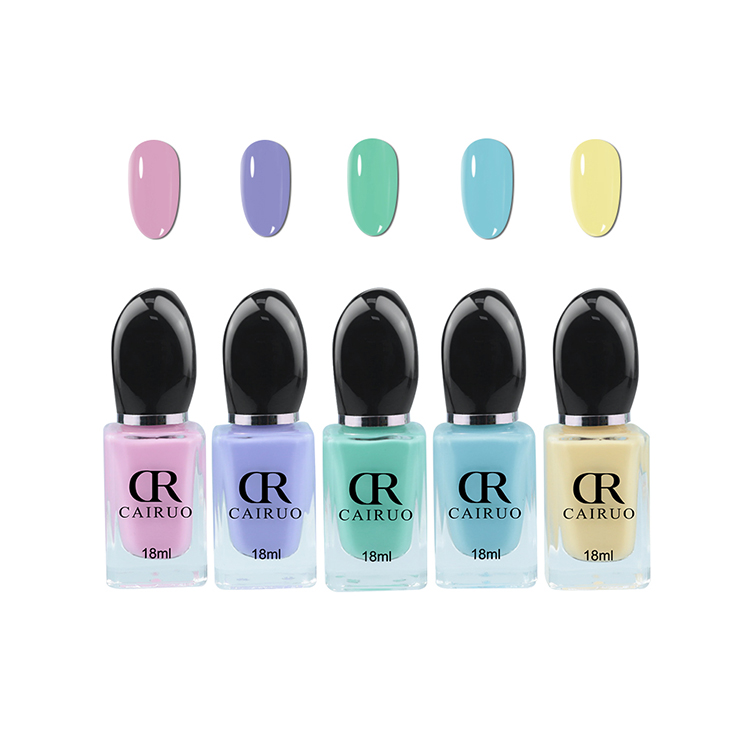
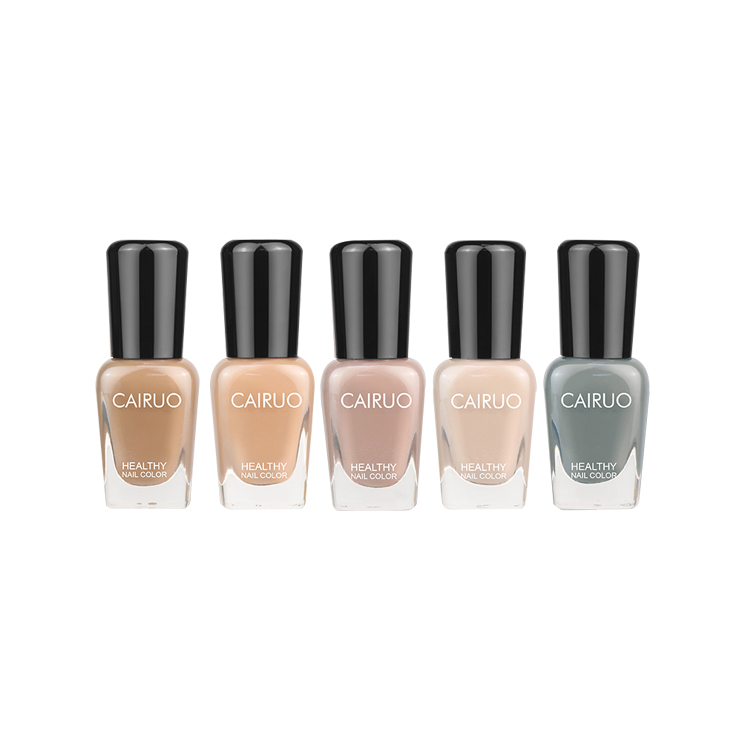
The polish supports a range of finishes, including glossy, matte, or shimmer effects, depending on the specific formulation. Color selection spans neutral tones, vibrant shades, and seasonal options, allowing for coordination with different styles and occasions.
Individuals who manage their nail care at home often turn to water base nail polish for its user-friendly qualities. The application requires standard tools like a base coat and buffer, which many already have available. This makes it accessible for beginners and experienced users alike.
Session times for a full manicure can fit into busy schedules, as the steps follow familiar patterns. Touch-ups on chips or growth lines allow for extended use between full applications. The process supports creativity in nail art designs, from simple solid colors to basic patterns.
Manufacturers produce water base nail polish in numerous shades and effects. Some lines emphasize quick-drying properties, while others focus on buildable coverage. Pigment levels influence the number of coats needed for full color payoff.
Specialty versions include those with added shimmer particles or color-shifting qualities under different lighting. Neutral collections suit professional settings, while bolder hues appear in fashion-forward selections. The range accommodates preferences across age groups and personal styles.
Water base nail polish differs from solvent-based polishes in its composition and behavior. The water component affects drying time and removal methods. Users often select based on their priorities for application ease and removal convenience.
In side-by-side use, each category serves different needs within a nail care collection. Water base options appeal to those who value certain handling characteristics during the manicure process. Traditional polishes continue to hold a place for users seeking other performance aspects.
Your email address will not be published. Required fields are marked *
Jul 17,2026



Copyright © Dongyang City East Cosmetics Co., Ltd. All Rights Reserved.

Nail Polish Factory

 English
 中文简体
中文简体 عربى
عربى

 PREV:
PREV: