Jul 24, 2026
Despite the growing variety of nail products available today, Nail Polish remains a key category in the global beauty industry. From independent cosmetic brands to large-scale distributors, businesses continue to develop new collections that meet changing color preferences, finish styles, and packaging requirements.
The production of Nail Polish follows a structured process designed to keep every batch consistent. While individual formulas vary, the basic composition remains similar across the industry.
A typical formulation includes film-forming agents, solvents, plasticizers, pigments, and functional additives. Each ingredient has a specific purpose, from creating a smooth coating to supporting color dispersion.
During manufacturing, raw materials are mixed under controlled conditions before filtration and filling. Careful mixing helps pigments distribute evenly throughout the liquid, reducing visible color variation between bottles.
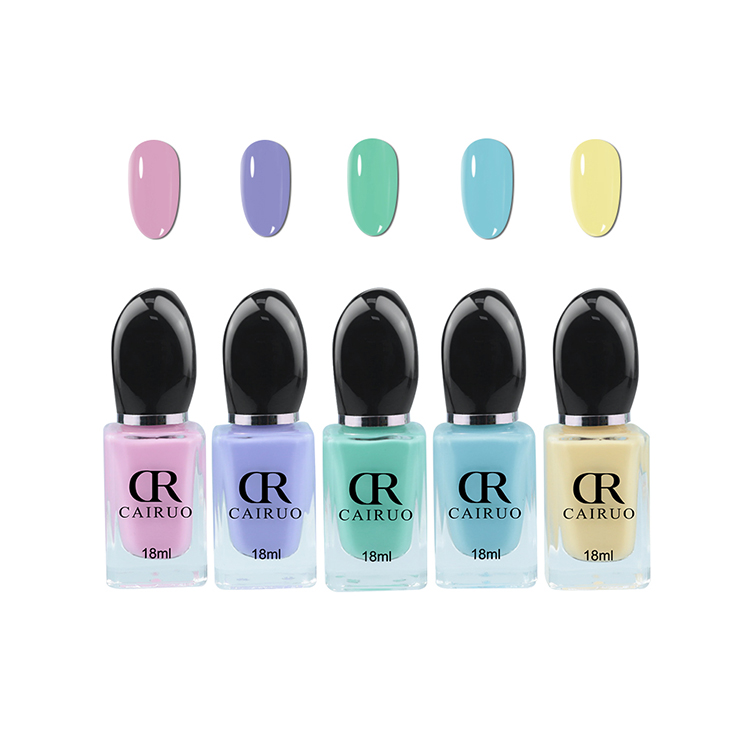
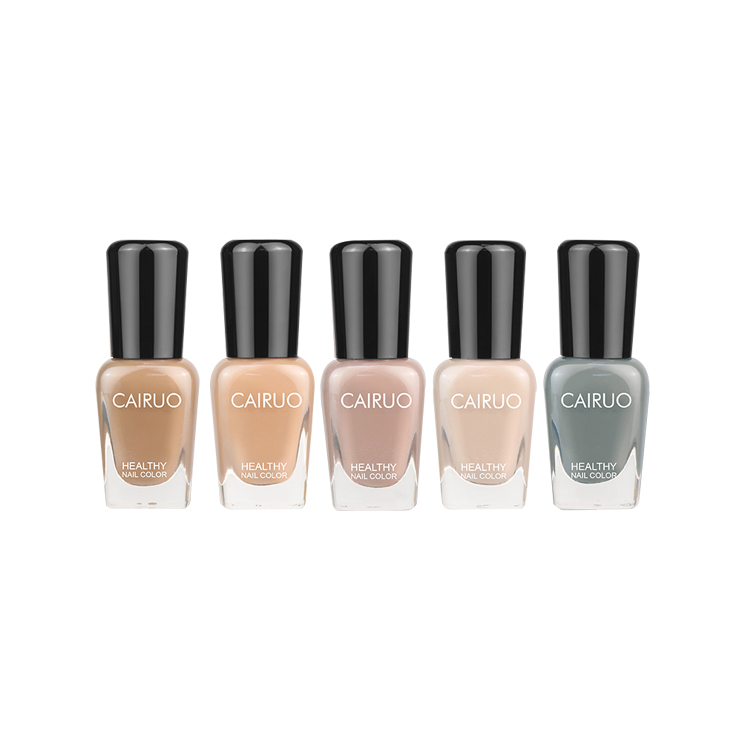
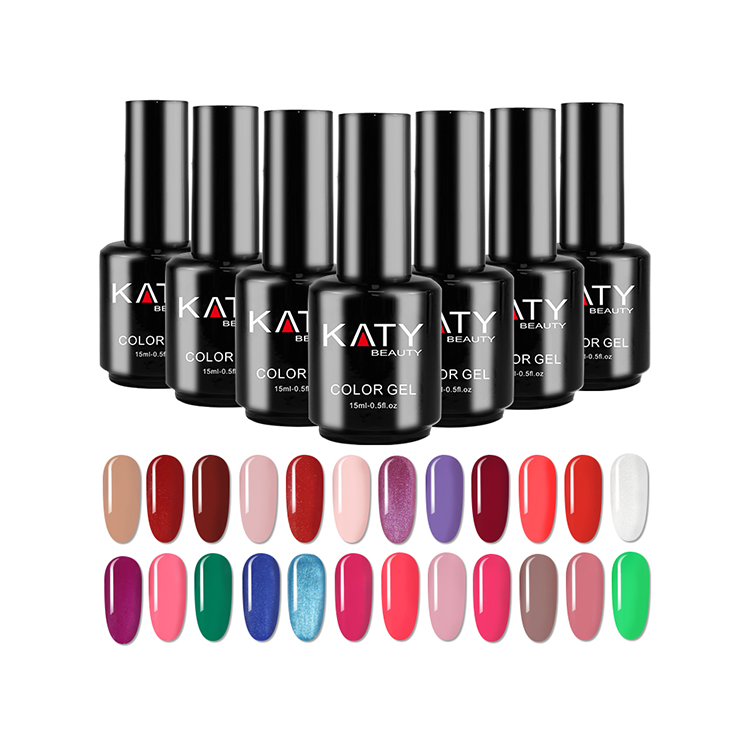
Today's Nail Polish market includes far more than traditional glossy finishes. Manufacturers often build complete product series to serve distributors, salon suppliers, and cosmetic brands targeting different customer groups.
Common product categories include:
Offering multiple finishes allows brands to release seasonal collections while maintaining a consistent product range throughout the year.
Packaging plays an important role in commercial nail polish production. Beyond visual appearance, bottle design affects filling efficiency, storage, transportation, and brand recognition.
| Packaging Element | Primary Function |
| Glass bottle | Stores the formulation securely |
| Brush | Supports even product application |
| Cap | Improves handling and product identity |
| Label | Displays color code and product information |
Many manufacturers also offer customized bottle shapes, cap finishes, and printing methods so brands can create distinctive product lines without changing the core formulation.
Consistency is one of the priorities in Nail Polish production, especially for businesses managing long-term product collections. Returning customers expect the same shade, texture, and appearance when ordering the same color again.
To support this goal, manufacturers generally monitor several production stages, including raw material preparation, pigment blending, viscosity control, and filling accuracy. Keeping these steps consistent helps reduce noticeable differences between production batches and simplifies inventory management for distributors.
For businesses supplying multiple regions, stable production also makes color catalog management more efficient, particularly when collections include dozens or even hundreds of shades.
Many cosmetic companies no longer operate their own production facilities. Instead, they cooperate with manufacturers that provide private label and OEM or ODM services.
These production services commonly include:
This manufacturing model allows brands to focus on product positioning and market development while relying on experienced production partners for large-scale manufacturing.
Although beauty trends continue to change, Nail Polish remains a stable product category across professional distribution channels. Its wide range of colors, flexible packaging options, and adaptable manufacturing processes allow suppliers to develop collections that suit different regional markets and brand strategies.
For manufacturers and distributors, success is often built on consistent formulation, organized production, reliable packaging, and efficient product development rather than simply expanding the number of available shades. These practical factors continue to shape how nail polish products move through today's global beauty supply chain.
Your email address will not be published. Required fields are marked *
Jul 17,2026



Copyright © Dongyang City East Cosmetics Co., Ltd. All Rights Reserved.

Nail Polish Factory

 English
 中文简体
中文简体 عربى
عربى

 PREV:
PREV: